

There are stories that smell like soil and leave a bruise of sun on your senses. This is one of them. It belongs to Alejandro Robaina, a man who was less a grower than a weathered poem of tobacco and land, shaped by the same wind that sculpts the fields of Pinar del Río. His life was not measured in calendar years but in planting seasons, curing barns, and the quiet arithmetic of rain, patience, and faith.
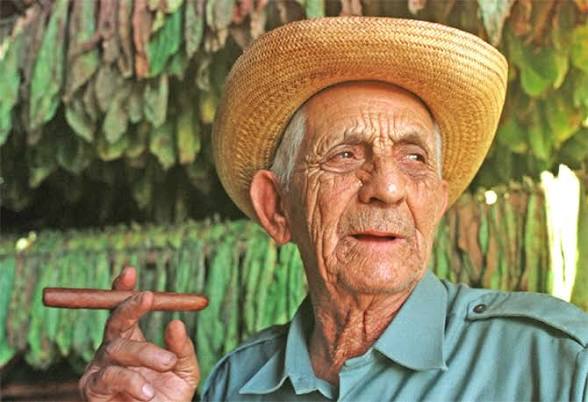
Robaina was born in 1919 in Alquízar, at the edge of the Vuelta Abajo region, a place where the soil seems to remember every leaf it has ever held. His family had worked that same land since 1845, long before revolutions, embargoes, or marketing departments ever learned the word terroir. Tobacco was not a career there. It was inheritance. It was obligation. And it was love.
He smoked his first cigar at ten. By eleven, he was already listening to the land the way some men listen to music, picking up subtleties others miss entirely. He understood early that tobacco was not grown so much as negotiated with. You offered your respect, attention, and time. If the earth approved, it gave you something extraordinary in return.
When politics rearranged Cuba and farming was reorganized by decree, Robaina stayed rooted. He believed fiercely in family farming and said so plainly, even to Fidel Castro. The best tobacco, he argued, did not come from committees or quotas but from generations who knew every rise and depression in their fields, who could read the coming weather in the way the wind bent a leaf. It was a stubborn stance, and it was a correct one.
The results spoke quietly but unmistakably. While most growers were grateful if a small fraction of their crop was suitable for wrapper leaf, Robaina was producing yields that bordered on the unbelievable. Some years, as much as eighty percent of his harvest met the standard for outer wrappers, supple, elastic, flawless. The land, it seemed, recognized him as one of its own.
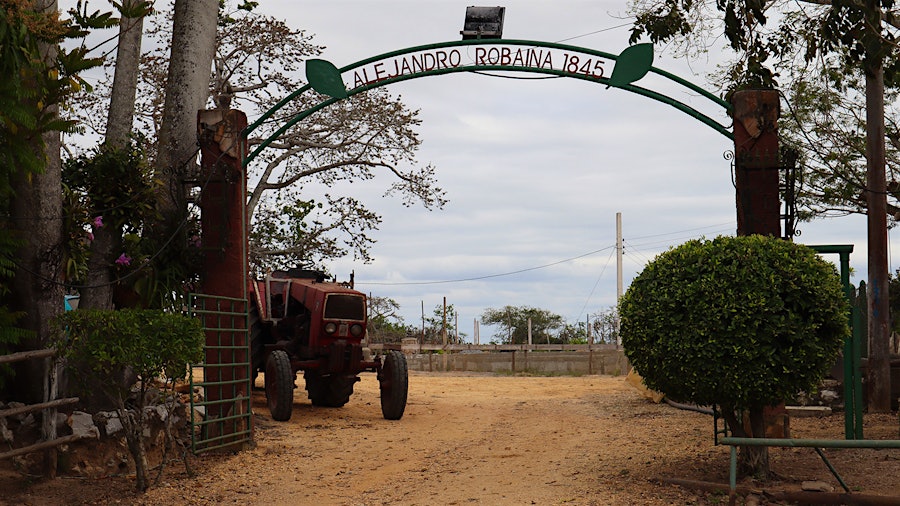
In 1997, Cuba did something it had never done before and has not truly done since. It named a cigar brand after a farmer. Vegas Robaina was not a marketing gimmick. It was a bow of respect from a country that understands tobacco as cultural currency. Robaina himself remained unimpressed by the attention. He was far more interested in how the leaves were fermenting.
Visitors who found their way to his farm later in life encountered a man with deep lines in his face, an easy laugh, and hands that told the real story. He welcomed questions, shared cigars, and spoke about tobacco the way old writers talk about trout streams or lost loves, with precision, affection, and a refusal to romanticize the hard parts away.
When Alejandro Robaina died in 2010 at ninety one, the fields did not stop producing, but something essential had shifted. An old tree had fallen. The wind moved differently for a while. His grandson Hiroshi stepped forward, carrying the knowledge that cannot be written down, only learned slowly, under the sun, year after year.
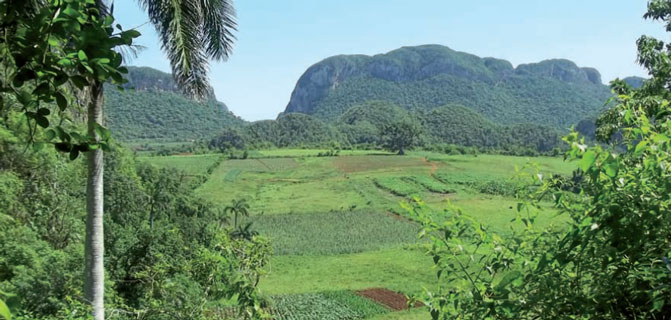
Robaina did not grow cigars. He grew conditions. He cultivated a relationship between human hands and the stubborn generosity of the earth. Every time you light a cigar shaped by that tradition, you are tasting more than tobacco. You are tasting restraint, continuity, and a life lived close enough to the soil to understand its moods.
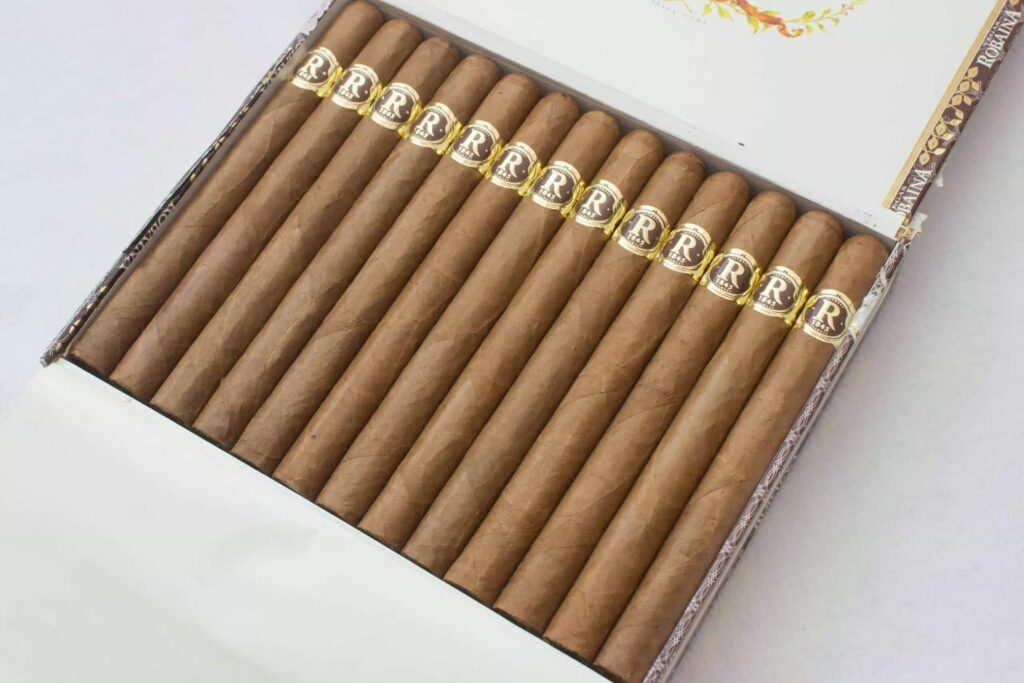
That is how real legends work. They do not announce themselves. They simply leave the ground better than they found it, and let the smoke tell the rest of the story.